
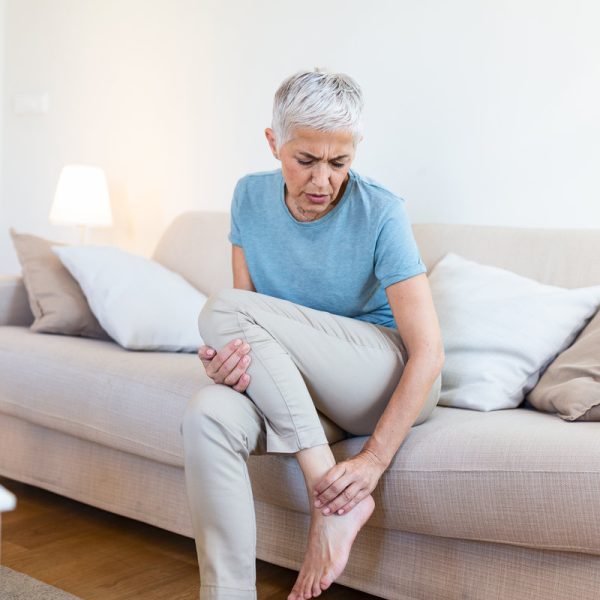
You finish the workday and your legs feel like they belong to someone twice your age — dense, sluggish, and reluctant to carry you up a flight of stairs. That weighted, fatigued sensation in the lower legs is not simply a consequence of being on your feet too long. For a significant portion of adults who experience it regularly, leg heaviness is the earliest and most persistent signal of an underlying venous condition that is both diagnosable and treatable.
At VeinologyNJ in Paramus, Dr. Vicken Pamoukian helps patients throughout Bergen County identify and address the vascular causes of leg heaviness with the precision of a board-certified vascular surgeon and the attentiveness of a physician committed to individualized care. Because venous disease is widely recognized as a leading source of this symptom, an evaluation at VeinologyNJ often reveals answers that patients have been searching for across multiple visits to other providers. To understand the full range of conditions we treat, visit our conditions page and see how many familiar symptoms trace back to vein health.
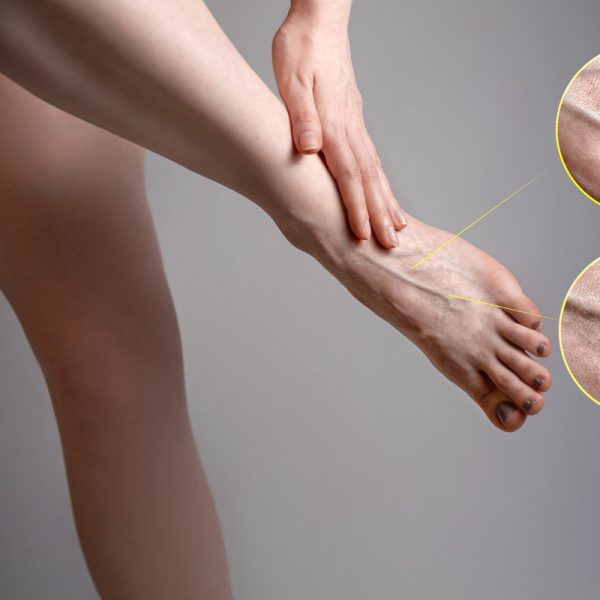
Leg heaviness is one of the most consistently reported symptoms of chronic venous disease — and one of the earliest to appear, often preceding visible varicose veins by months or even years. A peer-reviewed publication in the National Institutes of Health’s database confirms that symptoms of leg pain, discomfort, and heaviness are among the primary reasons patients with chronic venous disease initially seek treatment, and these symptoms impact quality of life substantially as the disease progresses PubMed Central.
The mechanism behind venous heaviness is straightforward in principle but significant in its impact. When the one-way valves inside the leg veins lose their ability to close properly, blood flows backward rather than continuing its journey toward the heart. This retrograde flow — known as venous reflux — causes blood to pool in the lower extremities, elevating the pressure throughout the venous system. The result is a persistent sensation of fullness, fatigue, and weight in the legs that typically worsens as the day goes on and often improves overnight when the legs are elevated and gravitational pooling is relieved.
Despite being one of the most telling early symptoms of venous disease, leg heaviness is routinely dismissed — by patients and providers alike — as a byproduct of age, long working hours, or deconditioning. This dismissal delays diagnosis and allows the underlying venous dysfunction to progress unchecked. Chronic venous insufficiency is a relatively common medical problem but is often overlooked by healthcare providers because of an underappreciation of the magnitude and impact of the problem and incomplete recognition of its various presenting manifestations PubMed Central. Understanding that heaviness deserves vascular evaluation — not simply rest and reassurance — is a meaningful shift that can change the trajectory of a patient’s care.
Not all leg heaviness feels the same from patient to patient, and the way it presents offers important diagnostic clues. Venous-related heaviness typically follows a predictable daily pattern: it is at its mildest in the morning after a night of rest and builds progressively throughout the day, reaching its peak in the afternoon and evening. It worsens with prolonged standing or sitting, warm temperatures, and high-humidity conditions. Relief comes with elevation, movement, and cool temperatures — all of which reduce venous pressure in the lower limbs.
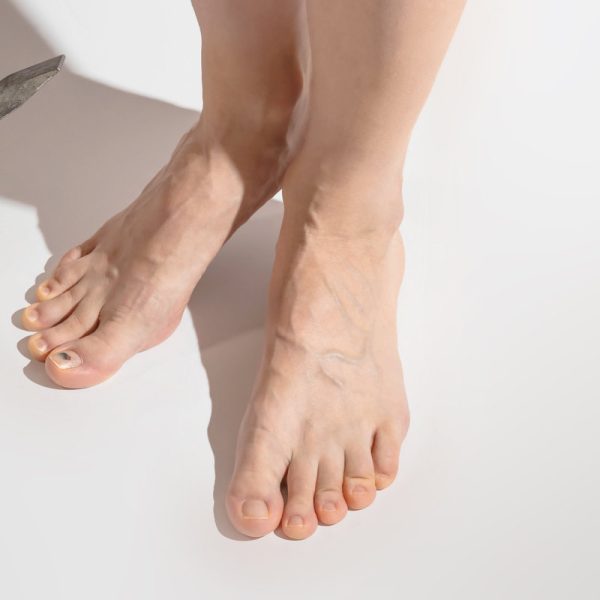
Leg heaviness rarely exists in complete isolation when venous disease is the cause. It frequently accompanies other symptoms that, taken together, paint a clear vascular picture. Patients commonly report accompanying ankle swelling that appears by late afternoon, an aching or throbbing sensation along the calves, visible or palpable varicose veins, nighttime cramping, and skin changes such as discoloration or itching around the lower leg. When these symptoms cluster together — or even when heaviness is the sole complaint — a venous duplex ultrasound evaluation is warranted to determine whether reflux is present.
Every evaluation at VeinologyNJ begins with a detailed consultation in which Dr. Pamoukian takes time to understand your symptoms, how long they have been occurring, and how they are affecting your daily life. This conversation is not a formality — it informs both the diagnostic approach and the treatment plan that follows.
When venous disease is suspected as the source of leg heaviness, venous duplex ultrasound serves as the gold standard for diagnosis. This non-invasive imaging study uses real-time sound wave technology to map blood flow through both the deep and superficial venous systems of the leg, identifying sites of reflux, valve incompetence, and venous obstruction with exceptional detail. It is painless, requires no radiation, and typically confirms or rules out a venous cause within a single visit. For patients who have been experiencing heaviness for months or years without an explanation, the duplex ultrasound often provides the first definitive answer they have received.
When venous reflux is identified as the underlying cause of leg heaviness, Dr. Pamoukian offers a range of minimally invasive, evidence-based treatments at VeinologyNJ designed to restore normal venous function and meaningfully reduce or eliminate symptoms. Our full treatment overview is available on the treatments page for patients who want to research their options in advance.
Endovenous laser ablation is the most widely used and highly effective procedure for treating saphenous vein reflux — the primary structural source of venous heaviness in the majority of patients. A thin laser fiber is guided into the affected vein under continuous ultrasound visualization, where it delivers controlled thermal energy to seal the vessel from the inside. Once the malfunctioning vein is closed, blood reroutes through healthier vessels and the venous pressure that creates the sensation of heaviness begins to normalize. The procedure is performed in-office without general anesthesia, and most patients resume their daily routines within a day or two.
Sclerotherapy offers a targeted approach to treating smaller diseased veins that contribute to venous pressure and the associated feeling of heaviness. An injectable solution is introduced directly into the affected vessel, causing it to collapse and be gradually reabsorbed by the body. For patients with spider veins or smaller tributary varicosities alongside deeper disease, sclerotherapy — including its ultrasound-guided variant for deeper vessels — may be used in combination with laser ablation to achieve comprehensive symptom relief.
Graduated compression garments remain a valuable first-line and adjunct strategy for managing venous heaviness. By applying calibrated external pressure to the lower leg, compression stockings support the calf muscle pump, counteract venous pooling, and reduce the buildup of pressure that causes heaviness to accumulate throughout the day. Dr. Pamoukian advises patients on the appropriate level of compression for their degree of venous disease, as well as complementary lifestyle adjustments — including elevation, activity, and hydration strategies — that can make a meaningful difference in day-to-day comfort. Our practice works with nearly all major insurance carriers, and information on coverage is available on our insurance and financing page.
Leg heaviness that occurs consistently, builds through the day, and accompanies other lower extremity symptoms is not something to simply accept as inevitable. It is a clinical signal that the venous system may not be functioning as it should — and that evaluation by a vascular specialist may open a clear path toward relief. Patients from Ridgewood, Glen Rock, Fair Lawn, and surrounding Bergen County communities regularly seek care at VeinologyNJ without needing to travel into the city.
At VeinologyNJ, Dr. Vicken Pamoukian brings board certification in vascular surgery, extensive fellowship training in complex vascular disorders, and a thoughtful, patient-centered approach that ensures every person leaves their consultation with a clear understanding of what is happening and what can be done about it. To schedule your consultation in Paramus, please contact our office today.
Schedule your appointment today and experience personalized vascular care that puts your comfort first. Healthy veins. Confident you.

Not sure what to expect? These are the most common questions our patients ask — and honest answers from our team to help you feel more comfortable, informed, and ready for your visit. Whether it’s your first check-up in years or you’re just curious about how things work, we’ve got you covered.
You can easily book an appointment by calling our clinic directly, or you can schedule an appointment online through our website using the booking form.
You can easily book an appointment by calling our clinic directly, or you can schedule an appointment online through our website using the booking form.
You can easily book an appointment by calling our clinic directly, or you can schedule an appointment online through our website using the booking form.
You can easily book an appointment by calling our clinic directly, or you can schedule an appointment online through our website using the booking form.
We’ve designed every aspect of our practice to provide a comfortable, efficient experience for busy Bergen County residents.
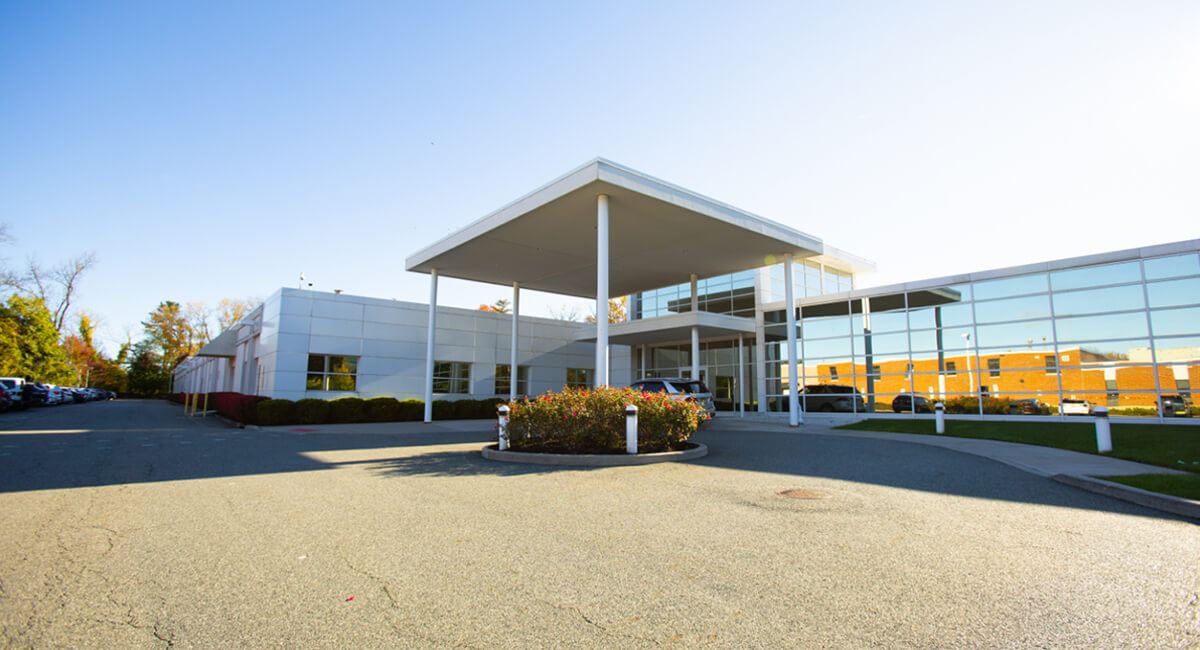
Step 1: Comprehensive Vascular Evaluation
During your initial consultation, Dr. Pamoukian performs a thorough vascular assessment using advanced ultrasound imaging to identify the underlying cause of your vein concerns and develop a personalized treatment plan tailored to your specific condition.
Step 2: Insurance Verification
Our dedicated team works directly with your insurance provider to verify coverage and handle all pre-authorization requirements, ensuring you understand your benefits before beginning treatment.
Step 3: Minimally Invasive Treatment
Dr. Pamoukian performs your procedure using state-of-the-art techniques like endovenous laser ablation in our comfortable outpatient setting, with most treatments completed in under an hour using only local anesthesia.
Step 4: Quick Recovery
Most patients return to normal activities within 24 hours with minimal discomfort, and our team provides comprehensive follow-up care to monitor your progress and ensure optimal results throughout your recovery.