
Leg pain that lingers day after day — a dull ache that builds by afternoon, a heaviness that makes standing feel like work, a throbbing that follows you from the office to the dinner table — is not something to simply push through. For millions of Americans, this kind of chronic lower extremity discomfort is a sign of an underlying vascular condition that deserves expert evaluation rather than another round of pain relievers.
At VeinologyNJ in Paramus, Dr. Vicken Pamoukian evaluates and treats leg pain rooted in venous and vascular disease, bringing board-certified expertise and fellowship-level training to one of Bergen County’s most commonly misunderstood symptoms. Because venous disease is a frequent and often overlooked driver of chronic leg pain, a vascular surgery specialist is uniquely positioned to uncover what is actually causing your discomfort. To see the full spectrum of conditions we treat, visit our conditions page and explore how vascular health connects to so many everyday symptoms.

Leg pain has many potential causes — musculoskeletal injury, nerve compression, arterial disease — but chronic venous insufficiency is among the most prevalent and least recognized. Research published by the National Institutes of Health confirms that patients initially seek treatment to relieve symptoms of leg pain, discomfort, heaviness, and swelling, all of which impact their quality of life, and these symptoms tend to worsen as chronic venous disease advances PubMed Central. Despite how common it is, venous disease is frequently misattributed to other causes, delaying appropriate care for years.
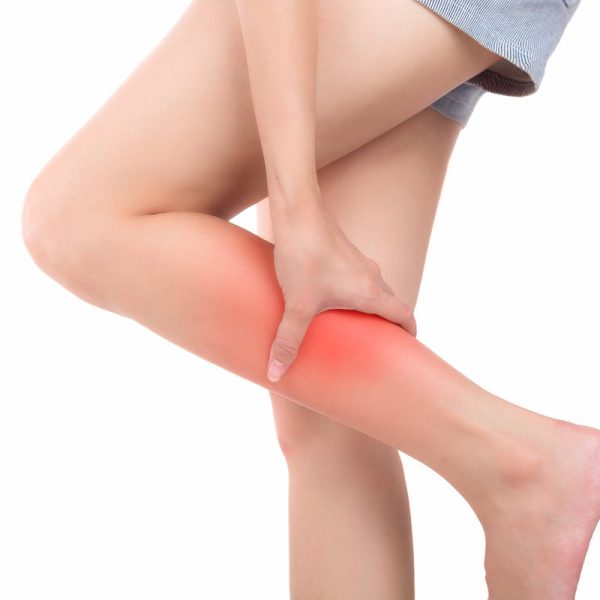
When the valves inside the leg veins fail to close properly, blood flows backward and pools in the lower extremities rather than returning to the heart. This chronic pooling elevates venous pressure throughout the leg, triggering inflammation, fluid accumulation, and the kind of persistent discomfort that worsens with prolonged standing or sitting and eases — at least partially — with rest and elevation. Aching, heaviness, throbbing, cramping, and a tired or restless feeling in the legs are all hallmark presentations of venous-origin pain that respond well to targeted vascular treatment.
A particularly important insight from recent medical literature is that venous disease frequently masquerades as other conditions. A 2023 study published in Scientific Reports found that among patients presenting to a spine center with leg pain, ultrasound examination identified chronic venous disease in 85.7% of cases PubMed Central — many of whom had been evaluated and treated for lumbar or spinal conditions without resolution. This pattern of misdiagnosis underscores why a vascular evaluation is so valuable for patients whose leg pain has persisted despite orthopedic or neurological workup.
Understanding the character and pattern of your leg pain is an important step in identifying its source. Venous pain tends to follow a predictable rhythm: it is typically absent or mild in the morning and builds progressively throughout the day. It worsens with heat, prolonged inactivity, and the summer months, and may improve noticeably when you elevate your legs or walk. It often occurs alongside other venous symptoms such as visible varicose veins, swelling around the ankles, skin discoloration, or itching along the lower leg.
Venous disease produces a distinctive constellation of lower extremity symptoms that vary by individual. The following are among the most frequently reported by patients seeking care at VeinologyNJ:
These symptoms vary in intensity from one person to the next, and their presence — even without visible varicose veins — may indicate an underlying venous condition. Early-stage venous disease can produce significant discomfort even before outward signs appear on the skin.

At VeinologyNJ, every diagnostic evaluation begins with a detailed conversation about your symptoms, how long they have been present, and what makes them better or worse. This clinical history helps distinguish venous pain from arterial, musculoskeletal, or neurological causes — each of which requires a fundamentally different treatment approach.
When a venous cause is suspected, venous duplex ultrasound serves as the primary diagnostic tool. This non-invasive imaging study uses sound waves to visualize blood flow through the deep and superficial venous systems in real time, identifying reflux, obstruction, and abnormal vein anatomy without radiation or discomfort. It is the same technology used to evaluate varicose veins and remains the gold standard for confirming or ruling out venous insufficiency as the driver of a patient’s symptoms. Dr. Pamoukian’s fellowship training in complex vascular disorders means that diagnostic findings are interpreted with both clinical depth and surgical precision.
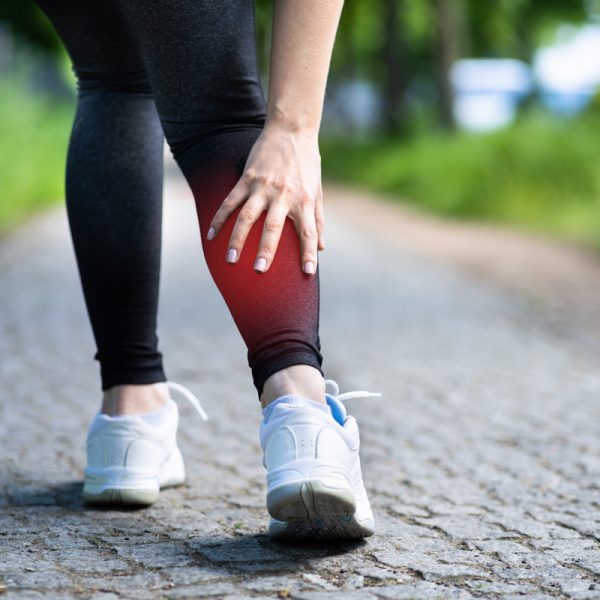
When venous disease is identified as the source of leg pain, treatment at VeinologyNJ is tailored to the specific anatomy and severity of each patient’s condition. The goal is not simply to manage symptoms but to address the underlying venous reflux that causes them. A comprehensive overview of our available treatments is available for patients who want to learn more before their consultation.
Endovenous laser ablation is a highly effective, minimally invasive procedure for treating saphenous vein reflux — the most common structural cause of venous leg pain. Under continuous ultrasound guidance, a thin laser fiber is advanced into the affected vein and delivers targeted energy to seal it from within. Rerouting blood flow to healthy veins eliminates the pressure buildup responsible for aching, heaviness, and cramping. Most patients experience meaningful symptom relief within weeks and return to their normal activities with minimal downtime.
Sclerotherapy uses an injectable solution to collapse diseased veins, making it particularly effective for treating tributary varicosities and spider veins that contribute to localized venous pressure and discomfort. Ultrasound-guided sclerotherapy extends this approach to deeper veins not visible at the surface. It is frequently used alongside ablation procedures to achieve the most comprehensive reduction in venous reflux and associated symptoms.
Properly fitted graduated compression garments support the calf muscle pump mechanism, counteract venous pooling, and can provide meaningful relief during the interval between evaluation and procedural treatment. Dr. Pamoukian advises patients on compression level, activity modification, and elevation strategies that complement procedural care. The practice works with nearly all major insurance carriers, and coverage details are available on our insurance and financing page.
Persistent leg pain deserves a thorough evaluation — not just reassurance that it is a normal part of aging. At VeinologyNJ in Paramus, Dr. Vicken Pamoukian brings board certification in vascular surgery, advanced fellowship training in complex vascular disorders, and a genuinely patient-centered approach to every consultation. He serves patients from across Bergen County, including those in Ridgewood, Glen Rock, and Fair Lawn, with the goal of identifying and treating the root cause of symptoms rather than managing them indefinitely.
To schedule a consultation and take the first step toward understanding — and relieving — your leg pain, please contact our office today.

Schedule your appointment today and experience personalized vascular care that puts your comfort first. Healthy veins. Confident you.

Not sure what to expect? These are the most common questions our patients ask — and honest answers from our team to help you feel more comfortable, informed, and ready for your visit. Whether it’s your first check-up in years or you’re just curious about how things work, we’ve got you covered.
You can easily book an appointment by calling our clinic directly, or you can schedule an appointment online through our website using the booking form.
You can easily book an appointment by calling our clinic directly, or you can schedule an appointment online through our website using the booking form.
You can easily book an appointment by calling our clinic directly, or you can schedule an appointment online through our website using the booking form.
You can easily book an appointment by calling our clinic directly, or you can schedule an appointment online through our website using the booking form.
We’ve designed every aspect of our practice to provide a comfortable, efficient experience for busy Bergen County residents.
Step 1: Comprehensive Vascular Evaluation
During your initial consultation, Dr. Pamoukian performs a thorough vascular assessment using advanced ultrasound imaging to identify the underlying cause of your vein concerns and develop a personalized treatment plan tailored to your specific condition.
Step 2: Insurance Verification
Our dedicated team works directly with your insurance provider to verify coverage and handle all pre-authorization requirements, ensuring you understand your benefits before beginning treatment.
Step 3: Minimally Invasive Treatment
Dr. Pamoukian performs your procedure using state-of-the-art techniques like endovenous laser ablation in our comfortable outpatient setting, with most treatments completed in under an hour using only local anesthesia.
Step 4: Quick Recovery
Most patients return to normal activities within 24 hours with minimal discomfort, and our team provides comprehensive follow-up care to monitor your progress and ensure optimal results throughout your recovery.