
Chronic venous disease is not a single condition with a single face. It is a spectrum — beginning, for many people, with the appearance of spider veins or a vague sense of leg fatigue, and capable of progressing over years into varicose veins, persistent swelling, skin discoloration, and ultimately open wounds that resist healing. What makes it particularly consequential is that most people at every stage of this spectrum are living with a condition that responds to treatment, yet far too many receive no care until it has already advanced significantly.
At VeinologyNJ in Paramus, Dr. Vicken Pamoukian evaluates and treats patients across the full spectrum of chronic venous disease, from the earliest visible signs through advanced presentations requiring complex vascular intervention. As a board-certified vascular surgeon with fellowship training in complex vascular disorders, Dr. Pamoukian brings diagnostic precision and a comprehensive treatment approach to patients throughout Bergen County who deserve more than symptom management. To understand the specific conditions we treat, visit our conditions page and see where your symptoms may fit within the broader picture of venous health.

Chronic venous disease is a broad term encompassing the full range of structural and functional abnormalities of the venous system that affect the lower extremities. It includes everything from cosmetic telangiectasias and spider veins at the mildest end, through symptomatic varicose veins and venous insufficiency in the middle stages, to edema, skin changes, and active venous ulcers at the most severe. According to a comprehensive review published in the National Institutes of Health’s database, more than 25 million people in the United States are affected by chronic venous disease, with approximately 6 million presenting with advanced stages and chronic venous insufficiency, at an estimated cost of three billion dollars per year PubMed Central. This places chronic venous disease among the most prevalent and costly vascular conditions in the country.
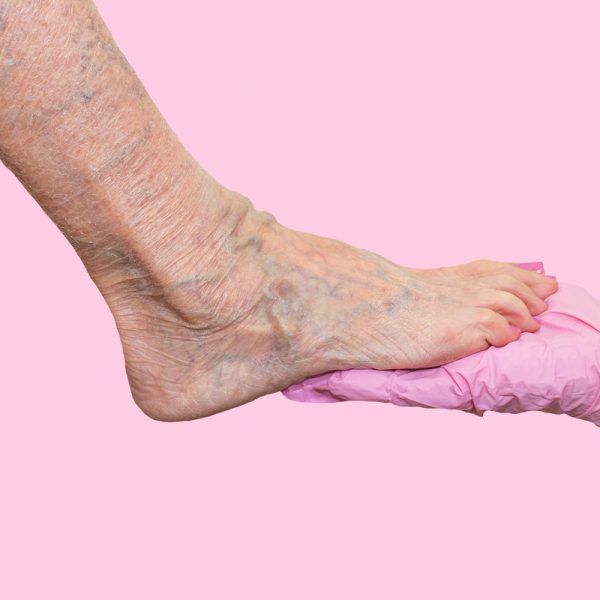
Clinicians use a standardized grading system known as the CEAP classification to describe the severity of chronic venous disease across six clinical grades. Understanding where a patient falls within this spectrum guides treatment selection and sets appropriate expectations for outcomes. The grades progress from C0, where no visible signs are present but symptoms may exist, through C1 for spider veins, C2 for varicose veins, C3 for edema, C4 for skin changes including hyperpigmentation and lipodermatosclerosis, C5 for healed venous ulcers, and C6 for active open ulceration. The severity of a patient’s disease is not always apparent from visible signs alone, which is why a thorough clinical evaluation supported by venous duplex ultrasound is essential to determining the true extent of the underlying venous dysfunction.
The common underlying mechanism across all stages of chronic venous disease is venous hypertension — elevated pressure within the venous system caused by venous reflux, obstruction, or both. When the one-way valves inside the leg veins fail to close properly, blood flows backward and accumulates in the lower extremities rather than returning efficiently to the heart. Over time, this sustained elevation in venous pressure triggers a cascade of inflammation, vessel wall changes, fluid leakage into surrounding tissues, and ultimately skin and soft tissue damage that defines the more advanced stages of the disease.
A number of factors increase an individual’s likelihood of developing or advancing through the stages of chronic venous disease. The most significant include the following:
Understanding a patient’s individual risk profile helps Dr. Pamoukian contextualize the stage of their disease and identify the most appropriate intervention strategy.
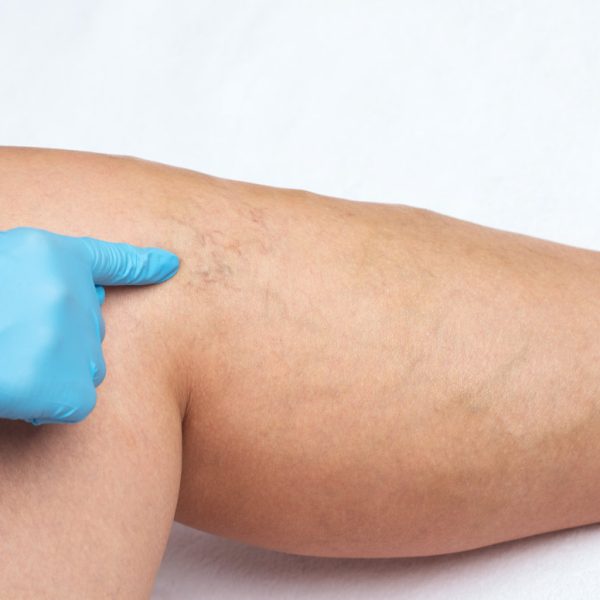

Every evaluation at VeinologyNJ begins with a thorough consultation that takes into account the full history of a patient’s symptoms, their duration, and any prior treatments received. Dr. Pamoukian conducts a detailed physical examination and, when indicated, performs venous duplex ultrasound imaging to map blood flow through both the deep and superficial venous systems. This non-invasive, real-time imaging study identifies the precise location and extent of reflux, determines whether obstruction is a contributing factor, and provides the objective data needed to design an effective, individualized treatment plan.
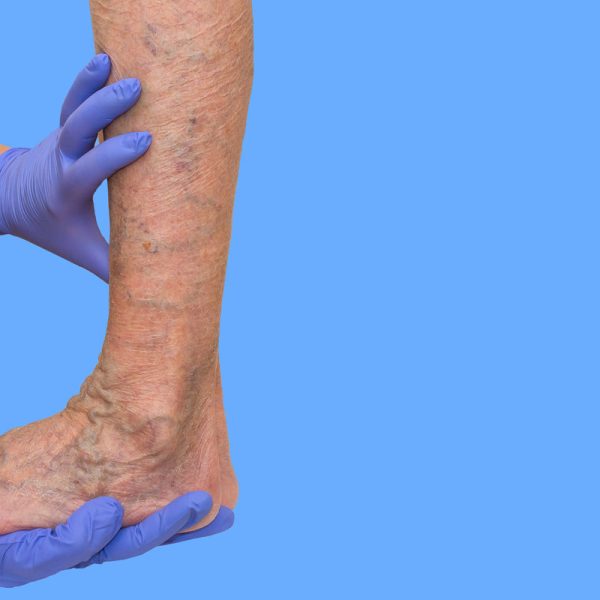
Treatment at VeinologyNJ is matched to the clinical stage and underlying anatomy of each patient’s disease rather than applied uniformly across presentations. Patients with earlier-stage disease may do well with conservative management or minimally invasive procedures, while those with advanced or complex venous pathology may require a more comprehensive approach. A full overview of our available treatments is available online, including our sclerotherapy services for surface veins.
For patients with saphenous vein reflux driving symptomatic varicose veins or venous insufficiency, endovenous procedures including endovenous laser ablation and radiofrequency ablation seal the diseased trunk veins from within using image-guided thermal energy, eliminating the venous pressure that drives disease progression. For smaller vessels contributing to venous hypertension or cosmetic concerns, sclerotherapy delivers a targeted sclerosing solution directly into the affected vein, causing it to close and fade. For patients with skin changes or early ulceration, wound care coordination and treatment of the underlying venous reflux work in combination to promote healing and reduce recurrence. Insurance coverage for many of these treatments when medically indicated is available through most major carriers — our insurance and financing page has more detail.
Chronic venous disease is progressive, but it is not inevitable that it will continue advancing without intervention. At every stage of the spectrum, there are effective treatment options that can relieve symptoms, restore function, improve appearance, and protect against the complications that come with untreated venous hypertension. Patients from Ridgewood, Glen Rock, Fair Lawn, and communities throughout Bergen County choose VeinologyNJ for the depth of expertise and individualized attention that complex vascular care requires.
Dr. Vicken Pamoukian brings board certification in vascular surgery, fellowship training in complex vascular disorders, and a commitment to patient-centered care to every consultation at VeinologyNJ, ensuring that each patient receives a clear diagnosis, an honest assessment of their options, and a treatment plan built around their specific needs. To schedule your evaluation, please contact our office today.
Schedule your appointment today and experience personalized vascular care that puts your comfort first. Healthy veins. Confident you.

Not sure what to expect? These are the most common questions our patients ask — and honest answers from our team to help you feel more comfortable, informed, and ready for your visit. Whether it’s your first check-up in years or you’re just curious about how things work, we’ve got you covered.
You can easily book an appointment by calling our clinic directly, or you can schedule an appointment online through our website using the booking form.
You can easily book an appointment by calling our clinic directly, or you can schedule an appointment online through our website using the booking form.
You can easily book an appointment by calling our clinic directly, or you can schedule an appointment online through our website using the booking form.
You can easily book an appointment by calling our clinic directly, or you can schedule an appointment online through our website using the booking form.
We’ve designed every aspect of our practice to provide a comfortable, efficient experience for busy Bergen County residents.
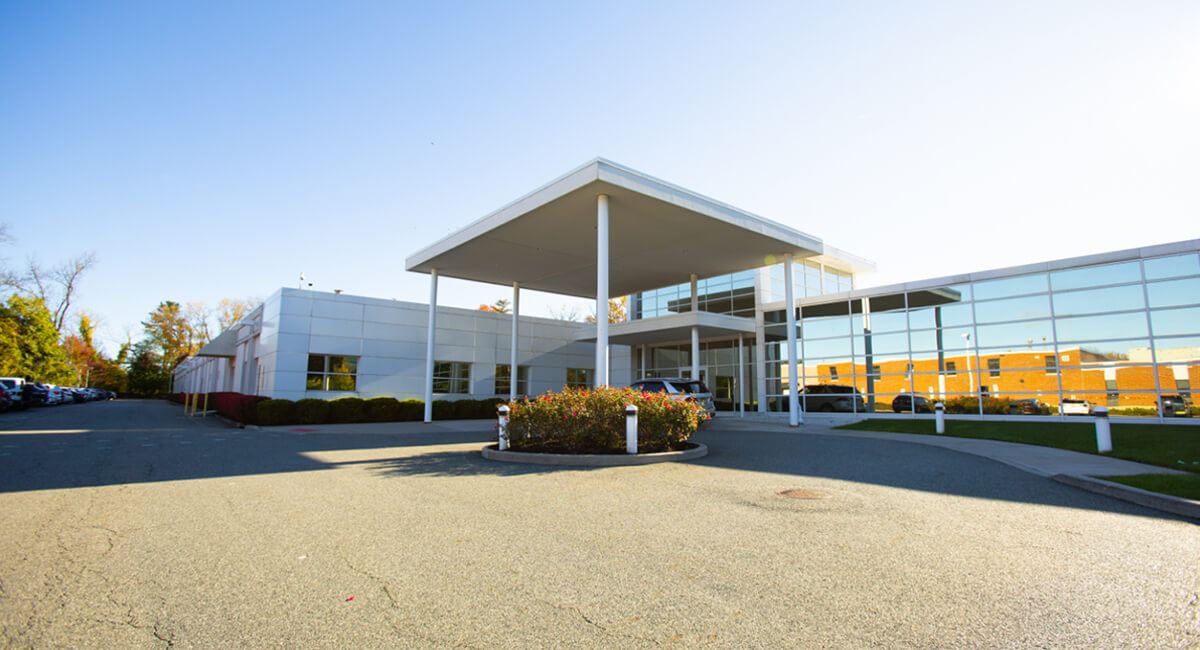
Step 1: Comprehensive Vascular Evaluation
During your initial consultation, Dr. Pamoukian performs a thorough vascular assessment using advanced ultrasound imaging to identify the underlying cause of your vein concerns and develop a personalized treatment plan tailored to your specific condition.
Step 2: Insurance Verification
Our dedicated team works directly with your insurance provider to verify coverage and handle all pre-authorization requirements, ensuring you understand your benefits before beginning treatment.
Step 3: Minimally Invasive Treatment
Dr. Pamoukian performs your procedure using state-of-the-art techniques like endovenous laser ablation in our comfortable outpatient setting, with most treatments completed in under an hour using only local anesthesia.
Step 4: Quick Recovery
Most patients return to normal activities within 24 hours with minimal discomfort, and our team provides comprehensive follow-up care to monitor your progress and ensure optimal results throughout your recovery.