
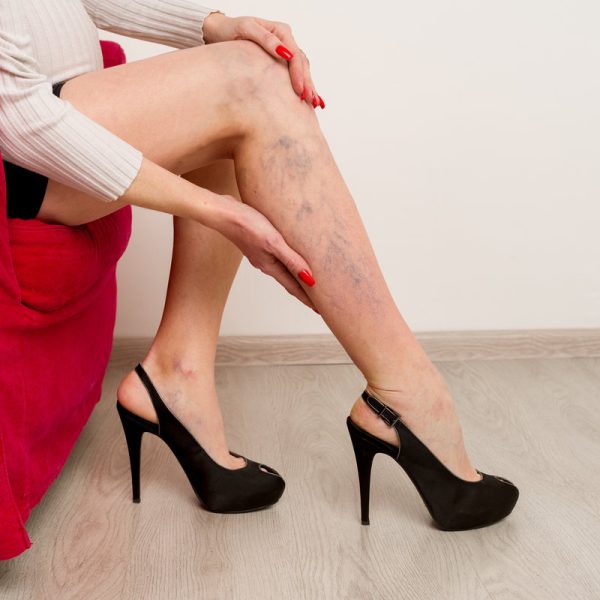
Those fine red, blue, or purple lines fanning across the thighs, calves, or ankles are one of the most common vascular concerns adults bring to a physician — and one of the most effectively treated. Spider veins affect a significant portion of the adult population, and while they are often dismissed as purely cosmetic, they can cause real discomfort and frequently signal an underlying venous issue worth addressing properly.
At VeinologyNJ in Paramus, Dr. Vicken Pamoukian evaluates and treats spider veins as part of a comprehensive approach to vascular health serving patients throughout Bergen County. As a board-certified vascular surgeon with fellowship training in complex vascular disorders, Dr. Pamoukian brings the diagnostic depth to distinguish between a purely cosmetic concern and one rooted in deeper venous disease — and the treatment options to address both. Learn more about the full range of conditions we treat and how spider veins fit within the broader picture of venous health.

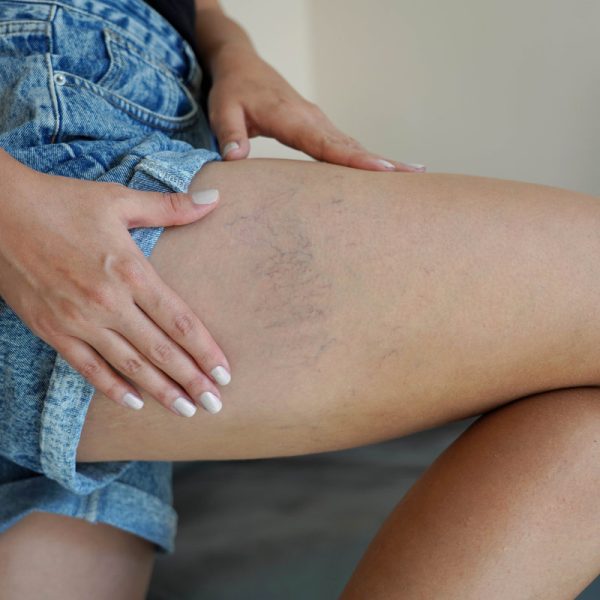
Spider veins, known clinically as telangiectasias, are small, dilated blood vessels visible at or just beneath the skin surface. They appear in shades of red, blue, or purple and form the characteristic web-like or branching patterns that give them their name. Most commonly found on the legs, particularly the thighs and calves, they can also develop around the ankle and knee. According to the National Institutes of Health, spider veins are among the most prevalent vascular findings in adults, with telangiectasias found in approximately 41% of women and increasing in frequency with age. While they rarely pose a direct health risk, they can occasionally cause burning, itching, or aching, and they often reflect elevated venous pressure that deserves proper evaluation.
Not always. While many spider veins are entirely cosmetic, a meaningful subset develops in the presence of underlying venous insufficiency — the same valve failure that drives varicose veins and chronic venous disease. Research has shown that approximately 25% of patients presenting with telangiectasias alone have clinically significant saphenous vein incompetence that is not visible at the surface. This means that treating spider veins without evaluating the underlying venous system risks rapid recurrence and misses an opportunity to address the actual driver of the problem. At VeinologyNJ, every spider vein evaluation includes consideration of whether a deeper venous cause needs to be identified and treated alongside the surface vessels.
Treatment selection at VeinologyNJ is based on the size, depth, and distribution of the spider veins, as well as the presence or absence of associated venous insufficiency identified during evaluation. The following approaches are used individually or in combination to achieve the most complete and durable results:
Treating the visible veins without correcting any underlying reflux often leads to return of spider veins within months. Dr. Pamoukian’s approach ensures the full venous picture is considered before any treatment recommendation is made.

Spider vein treatment at VeinologyNJ is performed in-office without anesthesia and requires no downtime. A series of small injections are administered using very fine needles, and most patients tolerate the procedure comfortably with minimal sensation. The number of injections per session varies depending on the size and distribution of the veins being treated, and some patients require more than one session to achieve their desired outcome.
Following sclerotherapy, patients are encouraged to walk immediately and resume most normal activities the same day. Mild bruising, redness, or temporary darkening of the treated area is common and typically resolves within one to three weeks. Compression garments are recommended for a short period following treatment to support the treated vessels and optimize results. The spider veins themselves do not disappear immediately — as the body reabsorbs the treated vessels, they gradually fade over the course of four to eight weeks. Details about insurance coverage and self-pay options for cosmetic versus medically necessary treatment are available on our insurance and financing page.
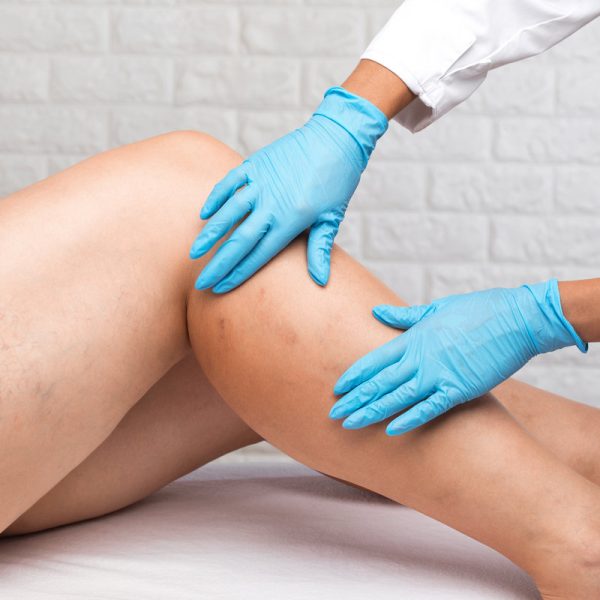
Spider veins are common, treatable, and deserve more than a cosmetic-only conversation. Whether your concern is primarily appearance, recurring discomfort, or a desire to understand whether a deeper vein problem may be contributing, VeinologyNJ offers the diagnostic capability and treatment options to address the full picture. Patients from Ridgewood, Glen Rock, Fair Lawn, and throughout Bergen County receive the same thorough, personalized evaluation that sets this practice apart.
At VeinologyNJ, Dr. Vicken Pamoukian brings board certification in vascular surgery, fellowship-level training in complex vascular disorders, and a patient-centered philosophy to every consultation, ensuring that spider vein removal is done right the first time. To schedule your consultation, please contact our office today.
Schedule your appointment today and experience personalized vascular care that puts your comfort first. Healthy veins. Confident you.

Not sure what to expect? These are the most common questions our patients ask — and honest answers from our team to help you feel more comfortable, informed, and ready for your visit. Whether it’s your first check-up in years or you’re just curious about how things work, we’ve got you covered.
You can easily book an appointment by calling our clinic directly, or you can schedule an appointment online through our website using the booking form.
You can easily book an appointment by calling our clinic directly, or you can schedule an appointment online through our website using the booking form.
You can easily book an appointment by calling our clinic directly, or you can schedule an appointment online through our website using the booking form.
You can easily book an appointment by calling our clinic directly, or you can schedule an appointment online through our website using the booking form.
We’ve designed every aspect of our practice to provide a comfortable, efficient experience for busy Bergen County residents.

Step 1: Comprehensive Vascular Evaluation
During your initial consultation, Dr. Pamoukian performs a thorough vascular assessment using advanced ultrasound imaging to identify the underlying cause of your vein concerns and develop a personalized treatment plan tailored to your specific condition.
Step 2: Insurance Verification
Our dedicated team works directly with your insurance provider to verify coverage and handle all pre-authorization requirements, ensuring you understand your benefits before beginning treatment.
Step 3: Minimally Invasive Treatment
Dr. Pamoukian performs your procedure using state-of-the-art techniques like endovenous laser ablation in our comfortable outpatient setting, with most treatments completed in under an hour using only local anesthesia.
Step 4: Quick Recovery
Most patients return to normal activities within 24 hours with minimal discomfort, and our team provides comprehensive follow-up care to monitor your progress and ensure optimal results throughout your recovery.