
For decades, the only way to effectively treat the diseased veins driving varicose veins and chronic venous insufficiency was through open surgical stripping — a procedure requiring general anesthesia, significant downtime, and a recovery measured in weeks. That era is behind us. Radiofrequency ablation has fundamentally changed what it means to treat venous disease, offering patients the same durable results through a minimally invasive, office-based procedure that most return from the same day they arrive.
At VeinologyNJ in Paramus, Dr. Vicken Pamoukian performs radiofrequency ablation as part of a comprehensive, individualized approach to venous care serving patients throughout Bergen County. As a board-certified vascular surgeon with fellowship training in complex vascular disorders, Dr. Pamoukian brings a level of diagnostic precision and procedural expertise to every RFA case that patients with venous disease both need and deserve. To understand the full range of conditions we treat with procedures like radiofrequency ablation, visit our conditions page and explore how venous disease connects to many of the symptoms you may be experiencing.

Radiofrequency ablation — commonly abbreviated as RFA — is a minimally invasive, image-guided procedure used to treat venous insufficiency and the varicose veins it produces. It works by delivering controlled radiofrequency energy through a thin catheter inserted directly into the malfunctioning vein under continuous ultrasound guidance. The energy heats the vein wall to a precise temperature, causing the vessel to contract and seal shut from the inside. Once closed, the treated vein is gradually reabsorbed by surrounding tissue, and blood flow reroutes naturally through healthy veins nearby.
The result is a permanent reduction in venous reflux — the backward pooling of blood that causes the aching, heaviness, swelling, and visible bulging associated with venous disease — without incisions, stitches, or the prolonged recovery of traditional surgery.
Radiofrequency ablation is among the most thoroughly studied minimally invasive treatments in venous medicine. A comprehensive meta-analysis published in the National Institutes of Health’s database, reviewing 29 studies including 16 randomized controlled trials, found that RFA was associated with a lower risk of burns, ecchymosis, paresthesia, and postoperative pain compared with laser ablation, and demonstrated higher saphenous vein occlusion rates than laser ablation in studies published after 2016 PubMed Central. These findings reflect years of refinement in RFA technique and technology that have made it a highly favorable option for patients seeking effective venous treatment with a favorable side effect profile.
Radiofrequency ablation is most commonly used to treat reflux in the great saphenous vein or small saphenous vein — the primary saphenous trunks that, when incompetent, are responsible for the majority of symptomatic varicose vein disease. Candidacy is determined through a combination of clinical evaluation and venous duplex ultrasound imaging, which maps the precise location and extent of venous reflux throughout the leg.
Patients who are good candidates for RFA generally have confirmed saphenous vein reflux on duplex ultrasound, symptomatic venous disease affecting their daily life, and anatomy suitable for catheter-based treatment. This includes many patients who also have varicose veins, leg heaviness, chronic swelling, or other manifestations of underlying venous insufficiency. Dr. Pamoukian reviews each patient’s imaging and clinical findings carefully before recommending any procedure, ensuring that treatment recommendations are grounded in objective evidence rather than assumption.
Radiofrequency ablation addresses the root cause of a wide range of venous symptoms and conditions rather than simply managing their surface appearance. It is frequently indicated for patients with chronic venous insufficiency causing significant quality-of-life impairment, symptomatic varicose veins that have not responded to conservative care, persistent leg heaviness and aching that interfere with daily activity, and swelling that worsens throughout the day and relates to confirmed venous reflux. In some patients, RFA is also part of the treatment plan for venous-related restless leg syndrome, where addressing the underlying vascular dysfunction can meaningfully reduce nocturnal symptoms.
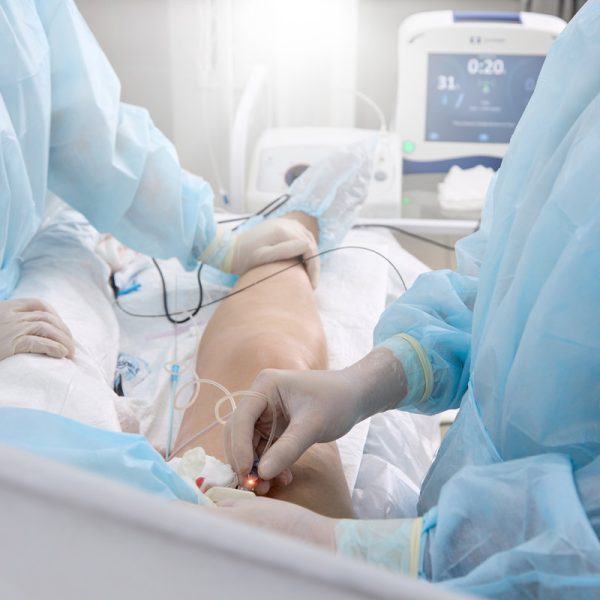

For patients considering RFA at VeinologyNJ, understanding what the procedure involves — from start to finish — is an important part of feeling confident and prepared. Dr. Pamoukian takes time during the consultation to walk each patient through every step so there are no surprises on the day of treatment.
The evaluation process begins with a detailed clinical history and venous duplex ultrasound to confirm the diagnosis and map the anatomy of the affected vein. This imaging study guides both the procedural planning and the real-time execution of the ablation itself. Patients are typically advised to wear loose, comfortable clothing on the day of the procedure and may be asked to avoid certain medications in advance based on their individual health history.
Radiofrequency ablation at VeinologyNJ is performed in-office under local anesthesia. A small access point is created in the skin, through which a thin RFA catheter is guided into the diseased vein using continuous ultrasound visualization. A tumescent anesthetic solution is then injected around the vein to numb the area and protect surrounding tissue during energy delivery. The catheter is slowly withdrawn as radiofrequency energy is applied in carefully controlled increments along the length of the vessel, sealing it as it goes. The procedure typically takes less than an hour, and patients are awake and comfortable throughout.
Most patients walk out of VeinologyNJ under their own power and resume light activities the same day. A brief period of compression garment use supports optimal outcomes during the healing process, and a follow-up duplex ultrasound is scheduled to confirm vein closure and assess results. Studies show that all patients who underwent RFA returned to normal daily activity within 10 days of the procedure, with very low postoperative pain scores across the large majority of patients PubMed Central. This recovery profile stands in marked contrast to the weeks-long downtime associated with traditional surgical vein stripping.
The technical success of radiofrequency ablation depends heavily on the precision of the ultrasound-guided technique, the accuracy of the pre-procedural mapping, and the clinical judgment that guides treatment planning. These are areas where a board-certified vascular surgeon with fellowship-level training in complex venous disease offers a meaningful advantage over a more generalized provider.
Dr. Pamoukian’s background encompasses not only the performance of minimally invasive procedures like RFA but also the surgical management of the most complex vascular conditions treated anywhere in New Jersey and the Tri-State area. Patients with straightforward saphenous reflux and patients with more complicated venous anatomy or histories alike receive the same thorough, individualized evaluation that leads to genuinely good outcomes. Insurance coverage for radiofrequency ablation when medically indicated is common among major carriers — visit our insurance and financing page for more information about what may be covered for your specific situation.
VeinologyNJ serves patients from across Bergen County, including those in Ridgewood, Glen Rock, and Fair Lawn, as well as surrounding communities throughout northern New Jersey.
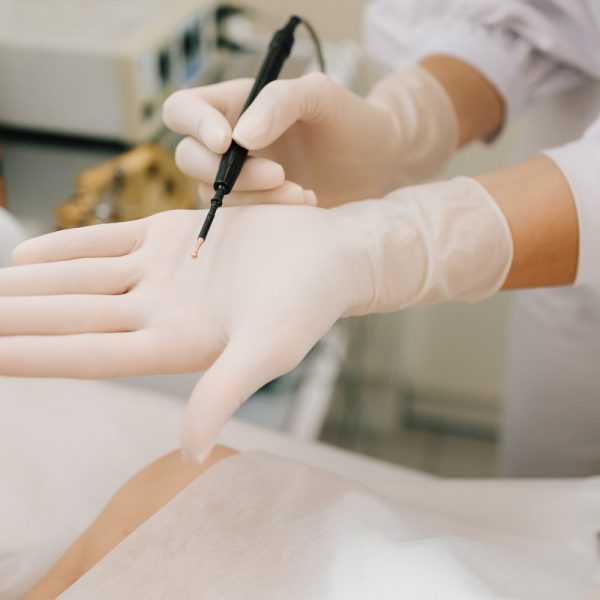
If venous disease has been affecting your comfort, your appearance, or your daily life — and you are looking for a durable solution without the burden of surgery and prolonged recovery — radiofrequency ablation may be an excellent fit. Dr. Vicken Pamoukian offers the diagnostic rigor, procedural precision, and patient-centered communication that make for truly confident care at every step of the process.
To schedule your consultation at VeinologyNJ in Paramus, please contact our office today.
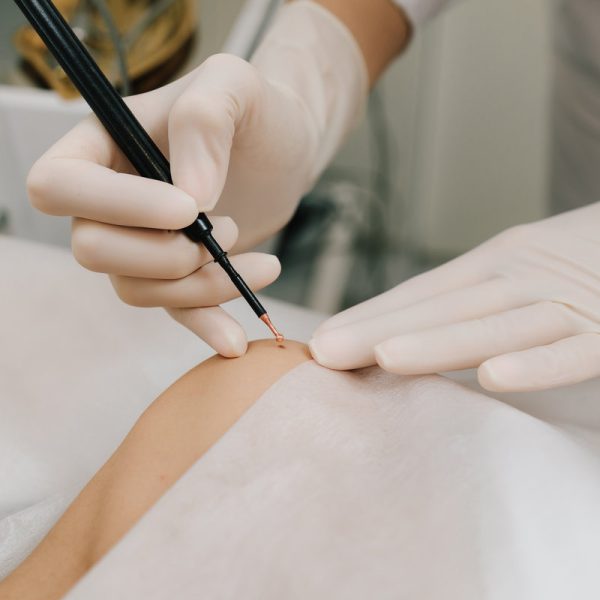
Schedule your appointment today and experience personalized vascular care that puts your comfort first. Healthy veins. Confident you.

Not sure what to expect? These are the most common questions our patients ask — and honest answers from our team to help you feel more comfortable, informed, and ready for your visit. Whether it’s your first check-up in years or you’re just curious about how things work, we’ve got you covered.
You can easily book an appointment by calling our clinic directly, or you can schedule an appointment online through our website using the booking form.
You can easily book an appointment by calling our clinic directly, or you can schedule an appointment online through our website using the booking form.
You can easily book an appointment by calling our clinic directly, or you can schedule an appointment online through our website using the booking form.
You can easily book an appointment by calling our clinic directly, or you can schedule an appointment online through our website using the booking form.
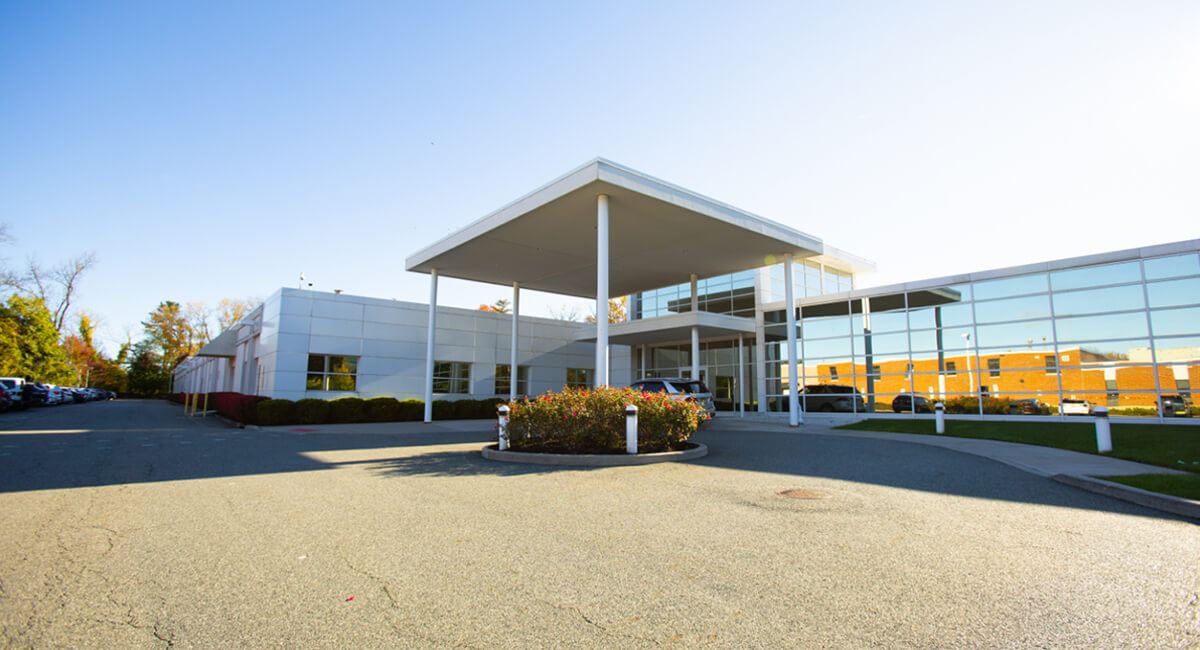
We’ve designed every aspect of our practice to provide a comfortable, efficient experience for busy Bergen County residents.
Step 1: Comprehensive Vascular Evaluation
During your initial consultation, Dr. Pamoukian performs a thorough vascular assessment using advanced ultrasound imaging to identify the underlying cause of your vein concerns and develop a personalized treatment plan tailored to your specific condition.
Step 2: Insurance Verification
Our dedicated team works directly with your insurance provider to verify coverage and handle all pre-authorization requirements, ensuring you understand your benefits before beginning treatment.
Step 3: Minimally Invasive Treatment
Dr. Pamoukian performs your procedure using state-of-the-art techniques like endovenous laser ablation in our comfortable outpatient setting, with most treatments completed in under an hour using only local anesthesia.
Step 4: Quick Recovery
Most patients return to normal activities within 24 hours with minimal discomfort, and our team provides comprehensive follow-up care to monitor your progress and ensure optimal results throughout your recovery.