
Night after night, an irresistible urge to move your legs pulls you from sleep — a creeping, crawling discomfort that only eases when you get up and walk. For the millions of Americans living with restless leg syndrome, this cycle is not just exhausting; it can quietly erode health, productivity, and quality of life in ways that extend far beyond the bedroom.
At VeinologyNJ in Paramus, Dr. Vicken Pamoukian evaluates and treats restless leg syndrome with a perspective that many patients have never encountered before: one rooted in vascular surgery expertise. Because RLS is frequently connected to underlying venous disease, a board-certified vascular surgeon is uniquely positioned to identify and address the circulatory factors that may be driving your symptoms. Explore the full range of conditions we treat to understand how venous health intersects with many common complaints affecting the legs.

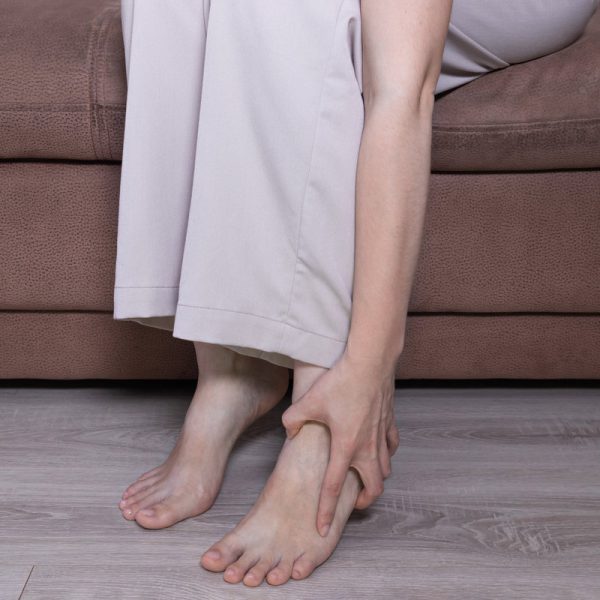
Restless leg syndrome, also known as Willis-Ekbom disease, is a neurological sensorimotor disorder characterized by an overwhelming urge to move the legs, typically accompanied by uncomfortable sensations such as aching, tingling, crawling, or throbbing. These sensations emerge or intensify during periods of rest and inactivity, are most pronounced in the evening and nighttime hours, and are at least partially relieved by movement. The result for many patients is chronic sleep disruption, daytime fatigue, and a significant decline in overall well-being.
RLS is far more prevalent than many people realize. According to a review published in JAMA, approximately 8% of U.S. adults experience RLS symptoms of any frequency annually, and 3% experience moderately or severely distressing symptoms that may warrant medical treatment PubMed. The condition is more common in women than men and becomes increasingly prevalent with age — factors that align closely with the demographics of Paramus and the broader Bergen County community.
One of the most important and underrecognized aspects of restless leg syndrome is its strong association with venous disease. Many patients spend years seeking answers from neurologists or primary care providers without ever being evaluated for venous insufficiency — a condition in which faulty vein valves allow blood to pool in the legs rather than return efficiently to the heart.
Research published in the National Institutes of Health’s PMC database found that treating superficial venous reflux using endovenous radiofrequency ablation and ultrasound-guided foam sclerotherapy produced a 63% decrease in RLS symptom severity PubMed, representing a clinically meaningful improvement for patients who had been living with moderate-to-severe symptoms. The theoretical explanation centers on the buildup of venous pressure and fluid in the lower extremities: the involuntary urge to move the legs may be, in part, the body’s attempt to activate the calf muscle pump and restore normal blood flow. This overlap in mechanisms means that for many patients, properly treating the underlying vein disease may deliver substantial or even complete relief from RLS symptoms.
Not every case of restless leg syndrome has a vascular origin, but the possibility deserves thorough evaluation — especially when symptoms worsen at night, improve with leg elevation, or occur alongside visible varicose veins, leg heaviness, or ankle swelling. These overlapping presentations are a strong signal that the vascular system should be assessed before assuming the cause is purely neurological.

Dr. Pamoukian’s approach begins with a comprehensive consultation to understand the full picture of your symptoms, medical history, and lifestyle factors. When a venous component is suspected, the next step is venous duplex ultrasound, an advanced imaging study that maps blood flow through the leg veins in real time and identifies sites of venous reflux or obstruction with precision. This technology is central to Dr. Pamoukian’s practice and allows for a diagnosis grounded in objective findings rather than symptom reporting alone.
Patients who have previously been told their RLS has no clear cause, or who have not responded to standard medical management, may find that a vascular evaluation opens a new and productive path toward lasting relief. Dr. Pamoukian takes time to explain each finding clearly so that every patient leaves with a thorough understanding of what is happening in their body and what options are available to address it.

When venous disease is identified as a contributing factor, treatment is tailored to the specific anatomy and severity of each patient’s condition. VeinologyNJ offers the minimally invasive procedures most supported by current evidence for improving RLS symptoms alongside venous disease. A complete overview of available treatments is available on our website.
Endovenous laser ablation uses precisely targeted laser energy, delivered through a thin catheter under ultrasound guidance, to seal diseased veins from within. The procedure is performed in-office, requires no general anesthesia, and allows most patients to return to their regular activities within a day or two. For patients whose RLS is rooted in underlying venous reflux, ablation addresses the problem at its source rather than simply managing symptoms.
Sclerotherapy involves injecting a solution into affected veins to cause them to collapse and be reabsorbed by the body. It is a well-established treatment for smaller and medium-sized veins and can be performed using ultrasound guidance to reach deeper vessels that are not accessible from the surface. Many patients with varicose veins and RLS benefit from a combination of ablation and sclerotherapy to achieve the most comprehensive results.
In cases where procedural intervention is not yet indicated, or as a complement to treatment, Dr. Pamoukian may recommend compression therapy, activity modification, and other supportive measures. For patients whose RLS has a non-vascular component, appropriate coordination with other specialists may also be discussed. VeinologyNJ works with nearly all major insurance carriers, and details about coverage can be found on our insurance and financing page.
The connection between venous disease and restless leg syndrome is well established in medical literature, yet it remains underutilized as a treatment pathway in clinical practice. Dr. Pamoukian’s board certification in vascular surgery and fellowship training in complex vascular disorders position him among a small group of New Jersey specialists with both the diagnostic tools and procedural expertise to evaluate RLS through a vascular lens. Patients consistently describe feeling genuinely heard and informed at VeinologyNJ — a reflection of Dr. Pamoukian’s commitment to clear communication and personalized, evidence-based care.
Serving patients throughout Bergen County, including those in Ridgewood, Glen Rock, Fair Lawn, and surrounding communities, VeinologyNJ offers a consultative experience grounded in expertise and attentiveness that patients with complex or longstanding conditions find especially valuable.
If restless leg syndrome has been disrupting your sleep and your life — and especially if you have also noticed leg heaviness, swelling, or visible vein changes — a vascular evaluation may be the missing piece in your care. Dr. Vicken Pamoukian brings the diagnostic precision and minimally invasive treatment options necessary to determine whether venous disease is contributing to your symptoms and to create a plan designed around your individual needs.
To schedule a consultation at VeinologyNJ in Paramus, please contact our office today.

Schedule your appointment today and experience personalized vascular care that puts your comfort first. Healthy veins. Confident you.

Not sure what to expect? These are the most common questions our patients ask — and honest answers from our team to help you feel more comfortable, informed, and ready for your visit. Whether it’s your first check-up in years or you’re just curious about how things work, we’ve got you covered.
You can easily book an appointment by calling our clinic directly, or you can schedule an appointment online through our website using the booking form.
You can easily book an appointment by calling our clinic directly, or you can schedule an appointment online through our website using the booking form.
You can easily book an appointment by calling our clinic directly, or you can schedule an appointment online through our website using the booking form.
You can easily book an appointment by calling our clinic directly, or you can schedule an appointment online through our website using the booking form.
We’ve designed every aspect of our practice to provide a comfortable, efficient experience for busy Bergen County residents.
Step 1: Comprehensive Vascular Evaluation
During your initial consultation, Dr. Pamoukian performs a thorough vascular assessment using advanced ultrasound imaging to identify the underlying cause of your vein concerns and develop a personalized treatment plan tailored to your specific condition.
Step 2: Insurance Verification
Our dedicated team works directly with your insurance provider to verify coverage and handle all pre-authorization requirements, ensuring you understand your benefits before beginning treatment.
Step 3: Minimally Invasive Treatment
Dr. Pamoukian performs your procedure using state-of-the-art techniques like endovenous laser ablation in our comfortable outpatient setting, with most treatments completed in under an hour using only local anesthesia.
Step 4: Quick Recovery
Most patients return to normal activities within 24 hours with minimal discomfort, and our team provides comprehensive follow-up care to monitor your progress and ensure optimal results throughout your recovery.