
Swollen legs are one of the body’s most visible signals that something is wrong beneath the surface — yet far too many people dismiss the symptom as a normal byproduct of aging, long workdays, or the heat. In reality, persistent leg swelling is often a sign of an underlying vascular or circulatory condition that deserves a thorough, expert evaluation rather than a wait-and-see approach.
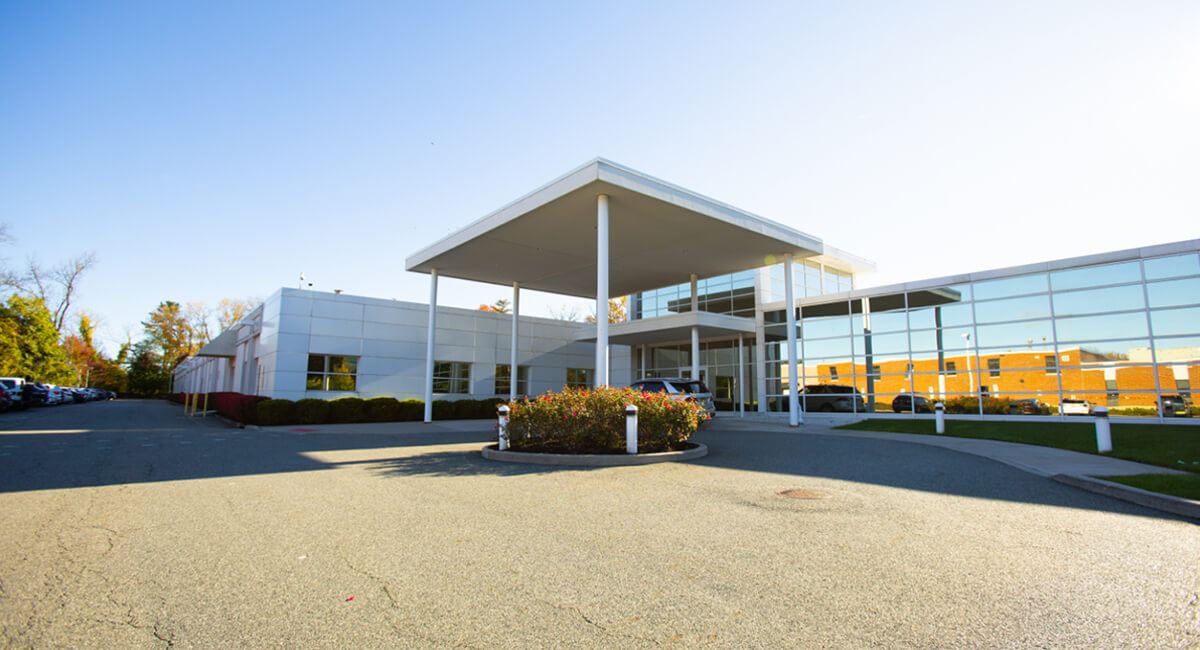
At VeinologyNJ in Paramus, Dr. Vicken Pamoukian brings board-certified vascular surgery expertise to the diagnosis and treatment of leg swelling throughout Bergen County and the surrounding communities. Because venous disease is among the most common causes of lower extremity edema, a vascular specialist is often best positioned to identify the source of the problem and design a targeted treatment plan. Explore the full range of vein conditions we treat to see how many everyday symptoms connect to treatable vascular disease.
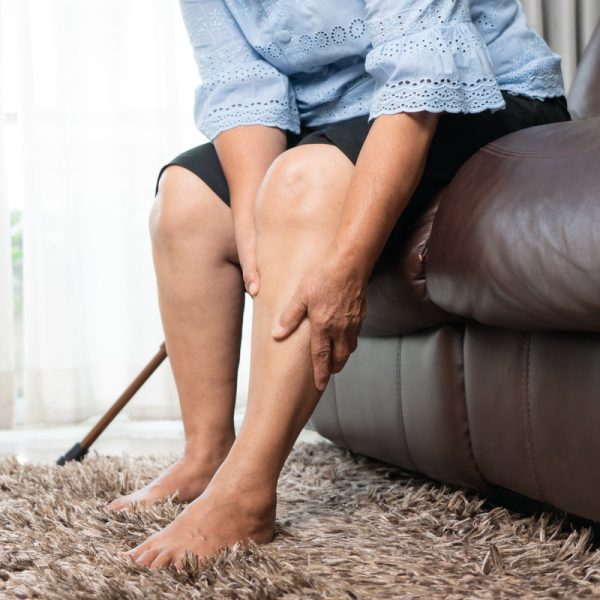
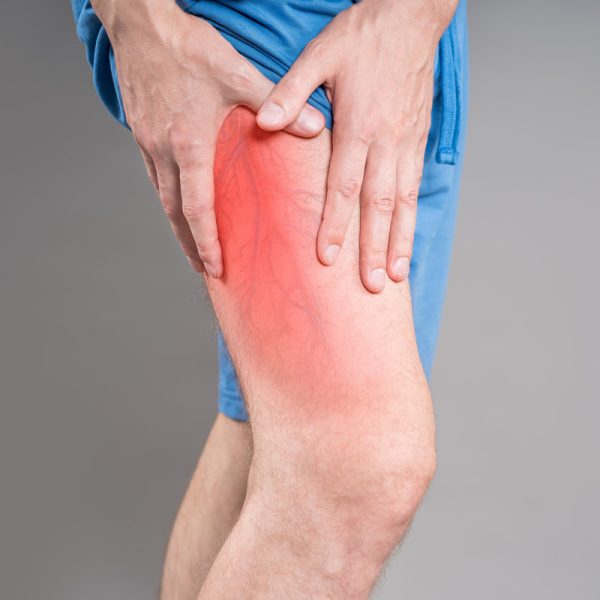
Leg swelling — clinically referred to as lower extremity edema — occurs when fluid accumulates in the tissues of the legs, ankles, or feet. It can develop in one leg or both, and the underlying cause determines which pattern is more likely. According to the National Institutes of Health, the most common cause of peripheral edema in patients aged 50 or older is venous insufficiency, with the prevalence of chronic peripheral edema in older U.S. adults estimated between 19% and 20% NCBI.

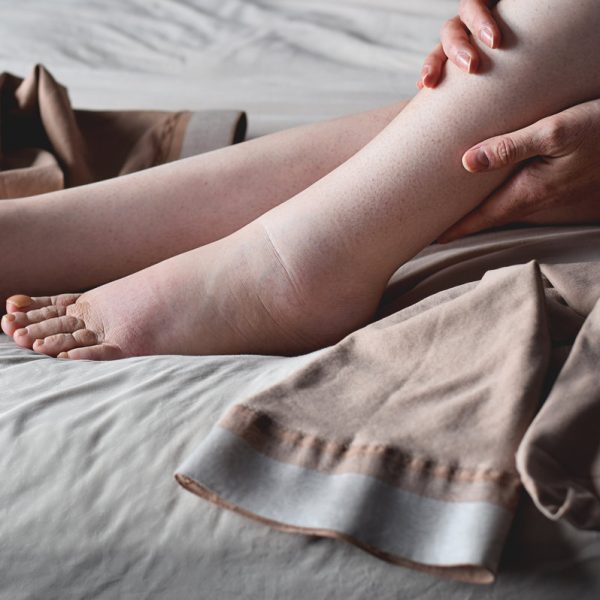
When the valves inside the leg veins fail to function correctly, blood is no longer pumped efficiently back toward the heart. Instead, it pools in the lower extremities, raising venous pressure and causing fluid to leak into surrounding tissues. This form of edema — caused by chronic venous insufficiency — tends to worsen over the course of the day, improve with leg elevation, and be accompanied by other hallmark symptoms such as leg heaviness, aching, visible varicose veins, and skin discoloration. Left untreated, venous-related swelling can progress to more serious complications including skin breakdown and venous ulceration.
While venous insufficiency is the most common vascular culprit behind leg swelling, other conditions can contribute or compound the problem. Deep vein thrombosis, in which a blood clot forms in a deep leg vein, can cause sudden unilateral swelling that requires urgent evaluation. Lymphatic dysfunction, heart and kidney conditions, certain medications, and obesity can all play roles as well. Because the underlying cause significantly shapes the right treatment path, accurate diagnosis is essential — and that begins with a specialist who understands the full complexity of lower extremity circulation.
A careful, methodical evaluation is the foundation of effective care at VeinologyNJ. Dr. Pamoukian begins each consultation with a detailed clinical history and physical examination, taking time to understand the pattern of your swelling, how long it has been present, what makes it better or worse, and what other symptoms accompany it. This context is critical for distinguishing a vascular cause from systemic or structural factors.
When a venous origin is suspected, venous duplex ultrasound is the primary diagnostic tool. This non-invasive imaging study maps blood flow through both the deep and superficial venous systems of the leg in real time, identifying sites of reflux, obstruction, or abnormal venous anatomy with precision. It can also rule out deep vein thrombosis — a critical step when swelling develops suddenly or in one leg only. Dr. Pamoukian’s fellowship training in complex vascular disorders ensures that imaging findings are interpreted with the depth of understanding that guides genuinely individualized treatment recommendations.

Treatment at VeinologyNJ is always guided by the findings of a thorough evaluation rather than a one-size-fits-all protocol. When venous insufficiency is identified as the underlying cause of swelling, a range of minimally invasive options are available. Learn more about our full suite of treatments and how they may apply to your specific condition.
For patients whose swelling is driven by saphenous vein reflux, endovenous laser ablation offers a highly effective, image-guided solution. A thin laser fiber is advanced into the affected vein under ultrasound visualization, and precisely controlled energy seals the vessel from within. Redirecting blood flow to functioning veins reduces the venous pressure responsible for fluid accumulation in the tissues. Most patients tolerate the procedure well and return to normal activity quickly, often noticing a meaningful reduction in swelling within weeks.
Sclerotherapy uses an injectable solution to collapse diseased veins, making it particularly well-suited for smaller varicosities and spider veins that contribute to venous congestion in the lower leg. Ultrasound guidance extends its reach to vessels that cannot be seen from the surface, enabling treatment of deeper sources of reflux with precision. Sclerotherapy is often used alongside other procedures as part of a comprehensive venous treatment plan tailored to the full extent of each patient’s disease.
Graduated compression therapy remains a cornerstone of managing venous-related leg swelling, particularly in early-stage disease or as a complement to procedural treatment. Properly fitted compression garments work by supporting the calf muscle pump mechanism and reducing the hydrostatic pressure that drives fluid into the tissues. Dr. Pamoukian provides guidance on the appropriate level of compression, lifestyle modifications, and elevation strategies that can make a meaningful difference in day-to-day comfort — especially for patients who spend extended periods on their feet. Details about insurance coverage for these services are available on our insurance and financing page.
Not every instance of leg swelling requires urgent care, but certain presentations warrant prompt attention. Sudden-onset swelling in one leg, swelling accompanied by pain, warmth, or redness, or swelling that develops alongside shortness of breath or chest discomfort should be evaluated without delay, as these patterns can indicate deep vein thrombosis or other serious conditions. Chronic swelling that has persisted for weeks or months, worsens throughout the day, or has begun affecting the skin deserves a scheduled consultation to identify and address the underlying cause before it advances.
Patients throughout Bergen County — including those in Ridgewood, Glen Rock, and Fair Lawn — have access to specialized vascular care at VeinologyNJ without needing to travel into the city.
Leg swelling has a cause — and in many cases, that cause is treatable with today’s minimally invasive vascular procedures. At VeinologyNJ, Dr. Vicken Pamoukian combines board certification in vascular surgery, advanced fellowship training, and a genuinely patient-centered approach to help residents of Paramus and Bergen County understand and address what is driving their symptoms. The practice works with nearly all major insurance carriers and is committed to making expert vascular care accessible to the community it serves.
To schedule a consultation and take the first step toward answers and relief, please contact our office today.
Schedule your appointment today and experience personalized vascular care that puts your comfort first. Healthy veins. Confident you.

Not sure what to expect? These are the most common questions our patients ask — and honest answers from our team to help you feel more comfortable, informed, and ready for your visit. Whether it’s your first check-up in years or you’re just curious about how things work, we’ve got you covered.
You can easily book an appointment by calling our clinic directly, or you can schedule an appointment online through our website using the booking form.
You can easily book an appointment by calling our clinic directly, or you can schedule an appointment online through our website using the booking form.
You can easily book an appointment by calling our clinic directly, or you can schedule an appointment online through our website using the booking form.
You can easily book an appointment by calling our clinic directly, or you can schedule an appointment online through our website using the booking form.
We’ve designed every aspect of our practice to provide a comfortable, efficient experience for busy Bergen County residents.
Step 1: Comprehensive Vascular Evaluation
During your initial consultation, Dr. Pamoukian performs a thorough vascular assessment using advanced ultrasound imaging to identify the underlying cause of your vein concerns and develop a personalized treatment plan tailored to your specific condition.
Step 2: Insurance Verification
Our dedicated team works directly with your insurance provider to verify coverage and handle all pre-authorization requirements, ensuring you understand your benefits before beginning treatment.
Step 3: Minimally Invasive Treatment
Dr. Pamoukian performs your procedure using state-of-the-art techniques like endovenous laser ablation in our comfortable outpatient setting, with most treatments completed in under an hour using only local anesthesia.
Step 4: Quick Recovery
Most patients return to normal activities within 24 hours with minimal discomfort, and our team provides comprehensive follow-up care to monitor your progress and ensure optimal results throughout your recovery.