
A blood clot forming silently in the deep veins of the leg is one of the most serious and time-sensitive conditions a vascular patient can face — and it is far more common than most people realize. Deep vein thrombosis strikes without warning in many cases, and the consequences of delayed treatment can range from chronic venous damage to life-threatening complications. Prompt, expert evaluation is not simply advisable — it is essential.
At VeinologyNJ in Paramus, Dr. Vicken Pamoukian brings board-certified vascular surgery expertise to the diagnosis and management of deep vein thrombosis throughout Bergen County and the surrounding communities. With advanced imaging capabilities and fellowship-level training in complex vascular disorders, Dr. Pamoukian is equipped to evaluate suspected DVT with the urgency and precision it demands. To learn more about the full spectrum of conditions we treat, visit our conditions page and see how vascular health touches nearly every aspect of lower extremity wellbeing.

Deep vein thrombosis occurs when a blood clot — known clinically as a thrombus — forms within one of the deep veins of the body, most commonly in the lower leg, thigh, or pelvis. Unlike the superficial veins visible near the skin surface, the deep venous system carries a much larger volume of blood back toward the heart, making obstruction within it a far more consequential event. According to the Centers for Disease Control and Prevention, as many as 900,000 people in the United States are affected by deep vein thrombosis or pulmonary embolism each year, with an estimated 60,000 to 100,000 Americans dying from venous thromboembolism annually CDC.
These numbers reflect both the seriousness of DVT and the degree to which it remains underdiagnosed. Many clots form and resolve without producing noticeable symptoms, while others cause acute, recognizable findings that require immediate medical attention. Distinguishing between the two — and understanding when and how aggressively to intervene — is precisely where vascular surgery expertise becomes indispensable.
Clot formation in the deep veins is typically driven by a combination of factors that disrupt normal blood flow, damage vessel walls, or alter the blood’s tendency to clot. These three mechanisms — collectively known as Virchow’s Triad — explain why certain individuals and situations carry disproportionately elevated risk. Prolonged immobility such as extended travel or bed rest, recent surgery or hospitalization, pregnancy, cancer, obesity, and inherited clotting disorders are among the most significant contributors. Age also plays a meaningful role, as the risk of DVT increases sharply after age 45 and continues to climb with each decade of life.
Deep vein thrombosis does not always announce itself clearly, and a significant proportion of cases are entirely silent — producing no symptoms until a complication arises. When symptoms do occur, they typically affect one leg and may include swelling, warmth, and redness of the skin over the affected area, along with an aching or cramping sensation in the calf or thigh. The swelling associated with DVT tends to develop over hours rather than days and does not improve with elevation the way chronic venous swelling typically does.
Certain presentations of DVT require urgent attention without delay. Any sudden, unexplained swelling in one leg — particularly when accompanied by warmth, skin discoloration, or pain — warrants same-day evaluation by a vascular specialist. Perhaps more critically, a DVT that goes untreated carries the risk of dislodging and traveling to the lungs, causing a pulmonary embolism. Sudden death is the first symptom in approximately one quarter of people who experience a pulmonary embolism CDC, making early diagnosis of DVT genuinely life-saving rather than precautionary.
Patients in Paramus and throughout Bergen County who suspect they may have a DVT should not wait for a scheduled appointment with their primary care provider. VeinologyNJ offers the diagnostic capabilities necessary to evaluate suspected clots with the speed and accuracy that the condition demands.
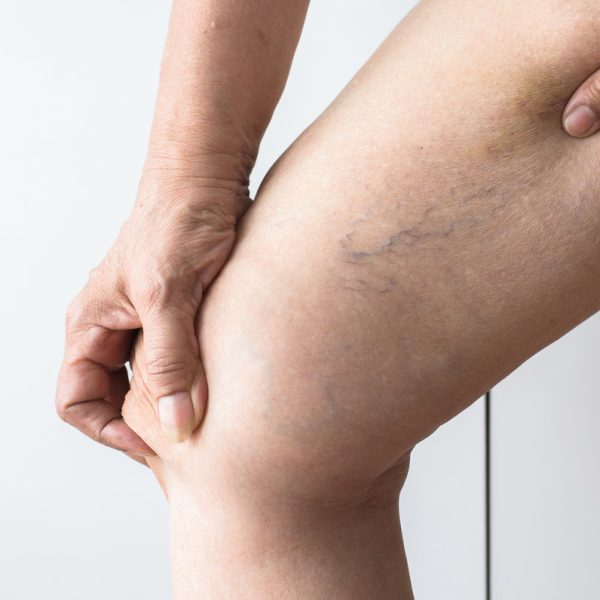

Venous duplex ultrasound is the gold standard for diagnosing deep vein thrombosis, and it is the primary imaging modality used at VeinologyNJ. This non-invasive study uses real-time sound wave technology to visualize blood flow through the deep venous system, directly identifying clot presence, location, and extent. It is safe, accurate, requires no radiation, and can be performed rapidly — making it the ideal first-line tool for urgent DVT evaluation.
Dr. Pamoukian’s fellowship training in complex vascular disorders ensures that ultrasound findings are interpreted with the clinical depth required to guide appropriate treatment decisions. Not all DVTs carry the same risk profile or require the same management approach, and distinguishing between a distal calf clot, a more proximal thigh or pelvic clot, and a chronic versus acute presentation requires genuine vascular expertise to do well. Patients can also review our treatments page to familiarize themselves with the interventional options available when conservative management alone is insufficient.

Treatment goals for DVT center on three priorities: preventing clot extension and pulmonary embolism, reducing acute symptoms, and protecting the venous valves from permanent damage that can lead to long-term complications. The treatment plan Dr. Pamoukian recommends is tailored to each patient’s specific clot location, severity, overall health, and risk factors.
Anticoagulation — commonly referred to as blood thinning — remains the cornerstone of DVT treatment for the majority of patients. Anticoagulant medications do not dissolve an existing clot, but they prevent it from growing larger and dramatically reduce the risk of pulmonary embolism. They also allow the body’s natural clot-dissolving mechanisms time to work. The duration and choice of anticoagulant therapy depends on factors including clot location, whether the DVT was provoked by an identifiable trigger, and the patient’s individual bleeding risk.
Graduated compression plays an important supportive role in DVT management, helping to reduce swelling, alleviate discomfort, and — critically — decrease the risk of developing post-thrombotic syndrome. Insurance coverage for compression and other DVT-related care is discussed on our insurance and financing page.
One of the most important yet underappreciated aspects of DVT care is what happens after the acute clot resolves. A blood clot that forms within the deep venous system can permanently damage the delicate valves that regulate upward blood flow, setting the stage for chronic venous insufficiency — a progressive condition characterized by leg pain, swelling, skin changes, and in advanced cases, venous ulceration. Monitoring for these long-term consequences and intervening early if signs of post-thrombotic syndrome emerge is a critical part of comprehensive DVT care at VeinologyNJ. Patients dealing with varicose veins or other venous changes following a DVT will find that Dr. Pamoukian’s dual expertise in both acute clot management and chronic venous disease is a meaningful advantage in their ongoing care.
Deep vein thrombosis is not a condition that benefits from a generalist approach. The decisions involved — when to anticoagulate, for how long, whether procedural intervention is indicated, and how to monitor for downstream vascular consequences — require the kind of nuanced clinical judgment that comes from specialized training. Dr. Pamoukian serves patients from Ridgewood, Glen Rock, Fair Lawn, and communities throughout Bergen County, offering the depth of expertise that this serious condition requires.
At VeinologyNJ, Dr. Vicken Pamoukian brings board certification in vascular surgery, fellowship training in complex vascular disorders, and a patient-first philosophy to every evaluation — ensuring that patients with DVT receive both the urgency and the thoroughness their care demands. If you are experiencing symptoms that may indicate deep vein thrombosis, or if you have recently been diagnosed and need expert follow-up care, please contact our office today.

Schedule your appointment today and experience personalized vascular care that puts your comfort first. Healthy veins. Confident you.

Not sure what to expect? These are the most common questions our patients ask — and honest answers from our team to help you feel more comfortable, informed, and ready for your visit. Whether it’s your first check-up in years or you’re just curious about how things work, we’ve got you covered.
You can easily book an appointment by calling our clinic directly, or you can schedule an appointment online through our website using the booking form.
You can easily book an appointment by calling our clinic directly, or you can schedule an appointment online through our website using the booking form.
You can easily book an appointment by calling our clinic directly, or you can schedule an appointment online through our website using the booking form.
You can easily book an appointment by calling our clinic directly, or you can schedule an appointment online through our website using the booking form.
We’ve designed every aspect of our practice to provide a comfortable, efficient experience for busy Bergen County residents.

Step 1: Comprehensive Vascular Evaluation
During your initial consultation, Dr. Pamoukian performs a thorough vascular assessment using advanced ultrasound imaging to identify the underlying cause of your vein concerns and develop a personalized treatment plan tailored to your specific condition.
Step 2: Insurance Verification
Our dedicated team works directly with your insurance provider to verify coverage and handle all pre-authorization requirements, ensuring you understand your benefits before beginning treatment.
Step 3: Minimally Invasive Treatment
Dr. Pamoukian performs your procedure using state-of-the-art techniques like endovenous laser ablation in our comfortable outpatient setting, with most treatments completed in under an hour using only local anesthesia.
Step 4: Quick Recovery
Most patients return to normal activities within 24 hours with minimal discomfort, and our team provides comprehensive follow-up care to monitor your progress and ensure optimal results throughout your recovery.